
B.Tech
Bachelor of Technology - Food Process Technology
Award
B.TechDuration
3 Academic YearsChoose a study option
Campus
University of Vocational TechnologyFaculty/Provider
Faculty of Industrial TechnologyStart Date
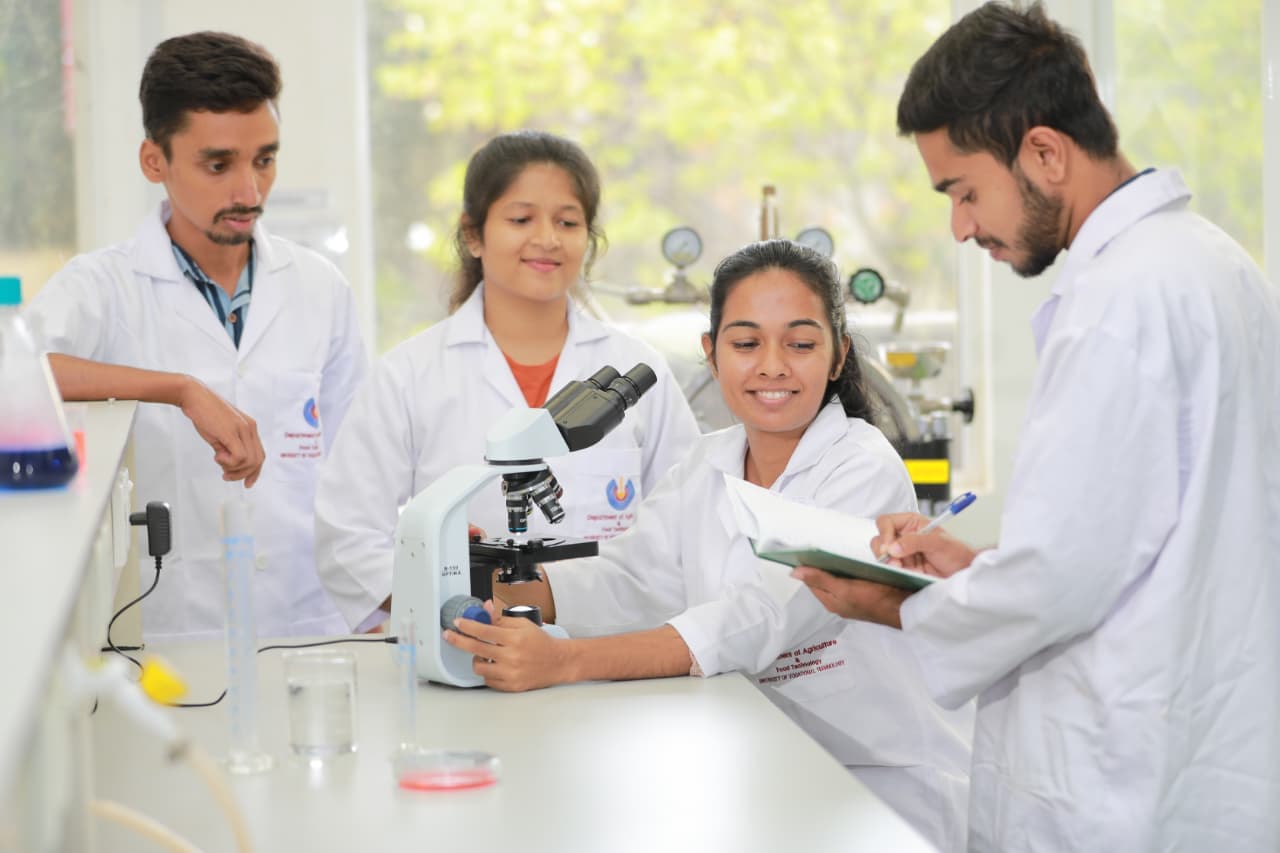
2026B .Tech in Food Process Technology degree enables student to learn the total food process starting from farm to the consumer.To achieve this, the degree provides students with a thorough theoretical, as well as practical and hands-on, approach to all related subjects such as food chemistry, microbiology, processing, food engineering, production, and nutrition and quality assurance techniques. This is done to foster understanding of the physical, chemical and biological changes in foods starting from raw materials, through processing and packaging while ensuring quality and safety.
Food process technology graduates may have carrier opportunities in the following areas; Food manufacturing industries, food ingredient manufacturing industries, food plant, equipment and packaging material manufacturing industries, retail food distribution and catering sectors, hotel sector, overseas food sector industries etc.


3 Years
Week Day
3 Years
Week End
Duration
- Students of B. Tech. Food Process Technology should undergo a project work, during the 3rd year
- Third Year Industry Based Project:
- The project work is arranged by the department of Food technology at UNIVOTEC in consultation with the food industries in the country.
Special Remarks
Students studying the degree during weekdays will be placed in various industrial establishments/worksites related to their fields of studying for a period of six months through National Apprentice and Industrial Training Authority (NAITA) under undergraduate in plant training scheme. Those who are studying during weekends are required to undertake work based training in their places of work, under supervision of a senior officer. Work undertaken during this period should be different from the normal routine work which he/she is supposed to attend in his/her job.
Career Opportunities
- - manufacturing industries
- - food ingredient manufacturing industries
- - Mobile Application Developer
- - food plant
- - equipment and packaging material manufacturing industries
- - retail food distribution and catering sectors
- - Software Quality Assurance Engineer
- - IT Systems Analyst
- - hotel sector
- - overseas food sector industries
Teaching & Learning
The Bachelor of Technology in Software and Intelligent Systems offers a practical, industry-focused education that combines theory with hands-on learning. Through lectures, labs, projects, and real-world problem solving, students develop strong technical, critical thinking, and professional skills aligned with current IT industry trends.
Key Learning Approaches Include:
- The performance of each student in each module will be evaluated by continuous assessments and a semester-end examination.
- The students should maintain 80% of attendance and satisfy the requirements specified in each module descriptor to be eligible to sit for the semester-end examination.
- All Candidates should obtain at least 30% of the marks allocated for continuous assessment to get qualified to sit for the semester - end examination
Skills Development Focus:
- Knowledge in food processing, microbiology, chemistry, engineering, and nutrition
- Ability to apply modern food technology techniques
- Software design and development capabilities
- Skills in food quality control and safety management
- Competence in food production, packaging, and preservation
Learning is delivered through a combination of classroom lectures, laboratory practical sessions, and interactive assignments to build both theoretical knowledge and hands-on skills in food processing technology. Students participate in presentations, research activities, and industry-based projects to enhance analytical and problem-solving abilities. The programme also includes a compulsory six-month industrial training period, allowing students to gain real-world experience in food manufacturing environments. Teaching is further supported by project work, continuous assessments, and exposure to modern food processing techniques to ensure students are prepared for professional careers in the food industry
Entry Requirements
The minimum qualifications required for admission to the programme on the standard route are:
Fees
Course Outline
Facilities
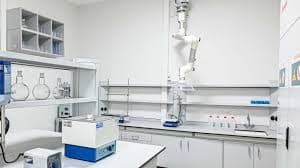
Food Chemistry Laboratory
Fully equipped laboratory for analyzing food composition, chemical properties, and quality parameters using modern analytical instruments and testing methods.
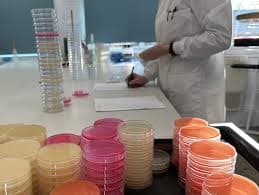
Food Microbiology Laboratory
Specialized lab for studying microorganisms in food, food safety testing, microbial analysis, and hygiene monitoring using standard microbiological techniques.
Professional Accreditation
The Bachelor of Technology in Food Process Technology is designed in alignment with national vocational and higher education standards to ensure academic excellence, industry relevance, and professional competency of graduates. The programme integrates scientific knowledge, practical laboratory training, and industrial exposure to prepare students for the modern food processing and manufacturing industry. Awarded by the University of Vocational Technology (UoVT), the degree is structured to comply with the National Vocational Qualifications (NVQ) framework and is recognized by industry and academic institutions in Sri Lanka. The curriculum emphasizes food safety, quality assurance, food engineering, and regulatory compliance, enabling graduates to meet the requirements of local and international food sector standards.
Key features related to recognition and professional alignment include:- Aligned with the National Vocational Qualifications (NVQ) framework
- Industry-focused curriculum with practical and laboratory training
- Recognized qualification awarded by the University of Vocational Technology (UoVT)
- Includes compulsory industrial training and industry-based project
- Supports Recognition of Prior Learning (RPL) and qualification pathways
- Designed to meet national and international food safety and quality standards
Graduates of this programme are well-qualified to pursue professional careers in food manufacturing, quality assurance, food safety management, and research and development. The qualification also provides a strong foundation for further academic studies, professional certifications, and career advancement in the food technology and food science sectors both locally and internationally.
Staff